When an Old Florida AC System Starts Showing Its Age
Air conditioning systems in Northeast Florida don’t age the same way they do in other parts of the country. Between long cooling seasons, high humidity, and near-constant summer runtime, even a well-installed system is under steady stress for most of the year.
Over time, that wear shows up in small ways first. The system might still run, but it doesn’t cool as evenly as it used to, or it takes longer to bring the home down to temperature after a warm afternoon in Jacksonville or Orange Park.
If your AC just doesn’t feel like it used to, Kiener’s Heating & Air Conditioning can take a look and help you understand whether it’s a repair issue, a maintenance issue, or a system that’s reaching the end of its service life.
The Early Signs Your AC Is Struggling
Most aging air conditioners don’t fail all at once. They decline gradually, and homeowners often adapt without realizing how much performance has been lost. One of the earliest signs is uneven cooling, where some rooms feel comfortable while others lag behind or feel slightly humid even when the thermostat is satisfied.
Another common change is longer run times. The system may stay on for extended periods during the hottest parts of the day without ever quite “catching up.” In Northeast Florida’s climate, this often becomes more noticeable during peak summer humidity when the system is working harder to remove moisture from the air as well as lower temperature.
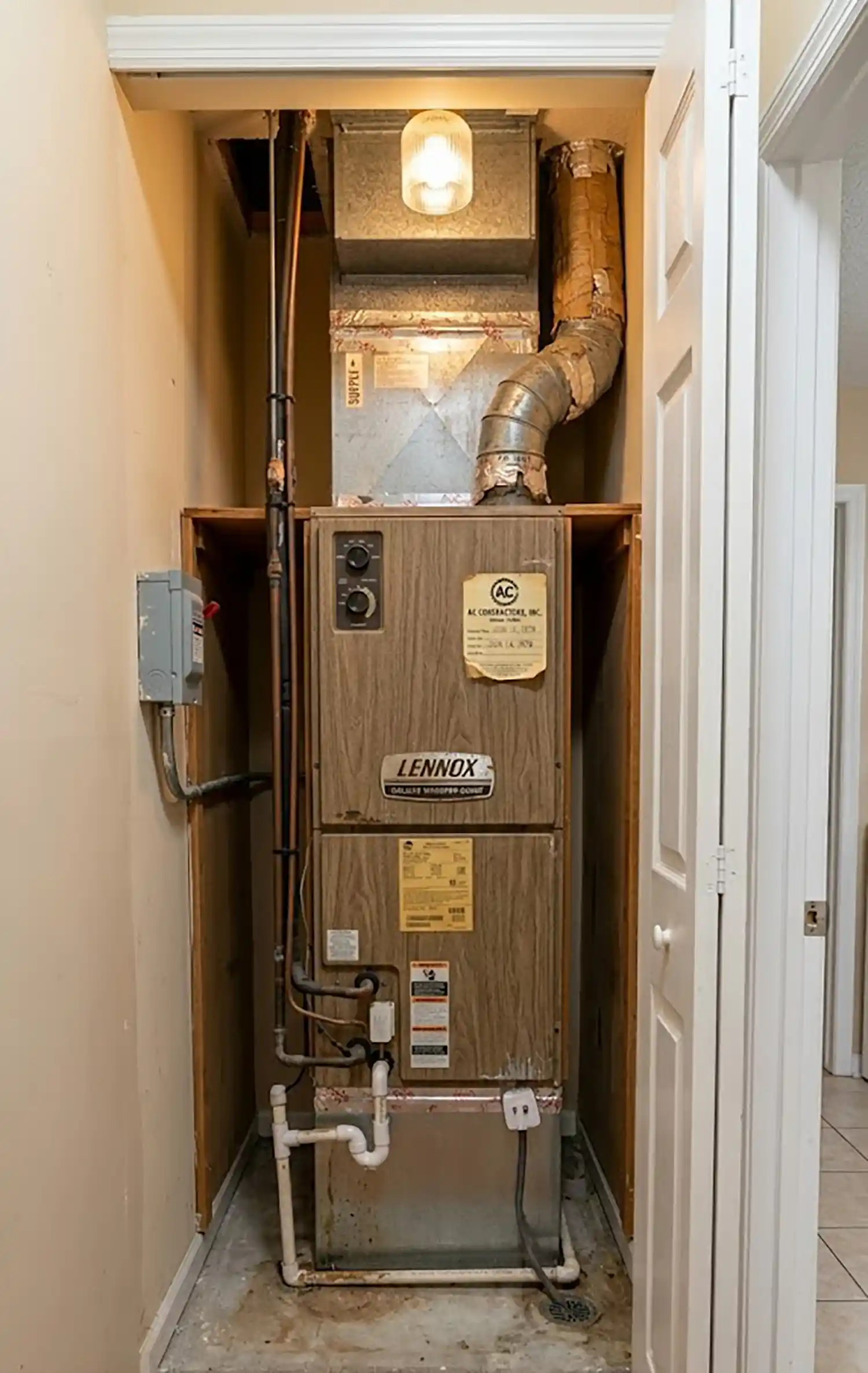
You may also notice the system cycling more frequently or struggling to maintain consistent airflow through the home, especially in older duct systems common in mid-century Florida construction.
Why Florida Climate Accelerates AC Wear
Air conditioners in Northeast Florida work harder than in many other regions simply because they run more often and handle more moisture. High humidity means the system isn’t just cooling air — it’s constantly pulling water out of it.
That extra workload affects key components like evaporator coils, blower motors, and compressors. Over time, repeated exposure to moisture and extended run cycles can reduce efficiency, even if the system has been maintained regularly.
Homes in Jacksonville, Fleming Island, Middleburg, Keystone Heights, and coastal areas see this even more strongly due to higher ambient humidity and salt-influenced air near the coast.
Longer Cooling Cycles
The system runs longer than it used to just to reach the same indoor temperature.
Rising Indoor Humidity
Air feels sticky even when the thermostat says the home is cool.
Inconsistent Airflow
Some rooms feel weaker or less comfortable than others over time.
When Repairs Stop Being the Real Answer
There comes a point in every system’s life where repairs become more frequent, and each fix restores less performance than the last. A capacitor replacement or refrigerant adjustment might solve an immediate issue, but it doesn’t restore lost efficiency in an aging compressor or worn blower motor.
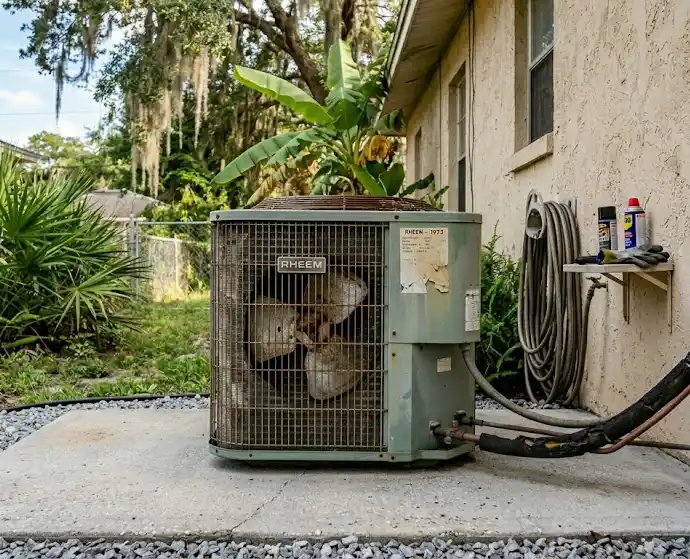
In older Florida systems, especially those 10 to 15 years or older, these patterns often point to a system that is approaching the end of its reliable service life. It may still run, but it no longer performs the way it needs to in a humid climate where consistent cooling and dehumidification are essential for comfort.
At that stage, a professional evaluation can help determine whether continued repairs make sense or whether replacement would be more cost-effective long term.
What Happens as an AC System Gets Older
Most air conditioners do not suddenly stop working one day. Instead, performance gradually declines over time. The compressor may still run, but cooling capacity drops. The blower still moves air, but airflow becomes less consistent. The system continues operating, but it takes more energy and more runtime to deliver the same level of comfort.
In Northeast Florida, this gradual decline can be difficult to notice because homeowners adjust little by little. You may start lowering the thermostat a few degrees more than you used to. The house may take longer to cool after work. Certain rooms may feel warmer than they did a few summers ago.
These changes often happen years before complete system failure. By the time the AC finally stops cooling, the warning signs have usually been present for quite a while.
Why Humidity Problems Often Appear First
Many homeowners focus on temperature, but humidity is often the first thing an aging Florida AC struggles to control. As components wear and efficiency declines, the system may still cool the home to the thermostat setting while removing less moisture from the air.
The result is a house that technically feels cool but never feels truly comfortable. Rooms may feel damp, the air may seem heavier, and the system may run longer than expected during humid weather.
Because Northeast Florida experiences long periods of elevated humidity, declining moisture control is often one of the earliest indicators that an older AC system is approaching the end of its useful life.
What Homeowners Often Notice First
Most homeowners don’t first notice mechanical failure — they notice comfort changes. A home that used to cool quickly now takes longer to feel right after work. Upstairs rooms feel warmer. The system seems louder than it used to be during startup or shutdown.
Sometimes the first real clue is humidity. Even when the temperature feels acceptable, the air itself feels heavier or more damp than it once did. In Northeast Florida, that’s often a sign the system is losing its ability to remove moisture efficiently.
These gradual shifts are easy to overlook until they start affecting daily comfort.
Knowing When It’s Time to Make a Decision
An aging AC system doesn’t always fail suddenly, but it does eventually reach a point where performance decline becomes noticeable enough to affect comfort and energy use. At that stage, understanding your options matters more than continuing to react to small issues one at a time.
A proper inspection can help clarify whether the system still has dependable life left or whether replacement is the more practical choice given Florida’s long, demanding cooling seasons.
Not Sure If Your AC Is Nearing the End?
If your system isn’t cooling like it used to, is running longer than normal, or just feels less reliable during hot Florida days, it may be time for a professional evaluation.
Kiener’s Heating & Air Conditioning helps homeowners across Northeast Florida understand whether their system needs repair, maintenance, or replacement based on real operating conditions — not guesswork.
Call (904) 231-8873 or use the online scheduling form to schedule service.